History With A View
Known for over a thousand years as Maungaroa, the area below is host to nearly a hundred discovered marae (sacred) and paepae (traditional house) sites from different time periods.
There are ancient stories, most of which have been lost in the annals of time. Of special significance to Maungaroa is the history of the intense battles that occurred on these grounds, the abandonment of the village in the name of Christianity, and it’s rediscovery to what it is today.
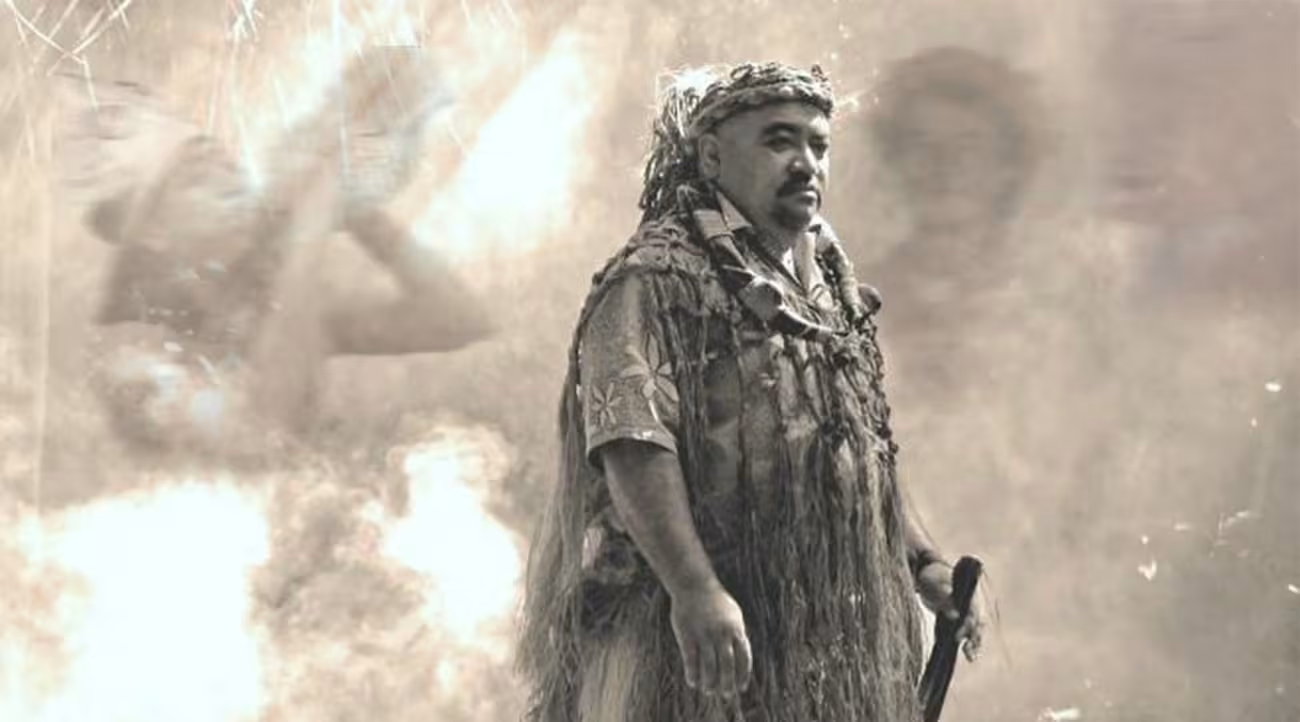
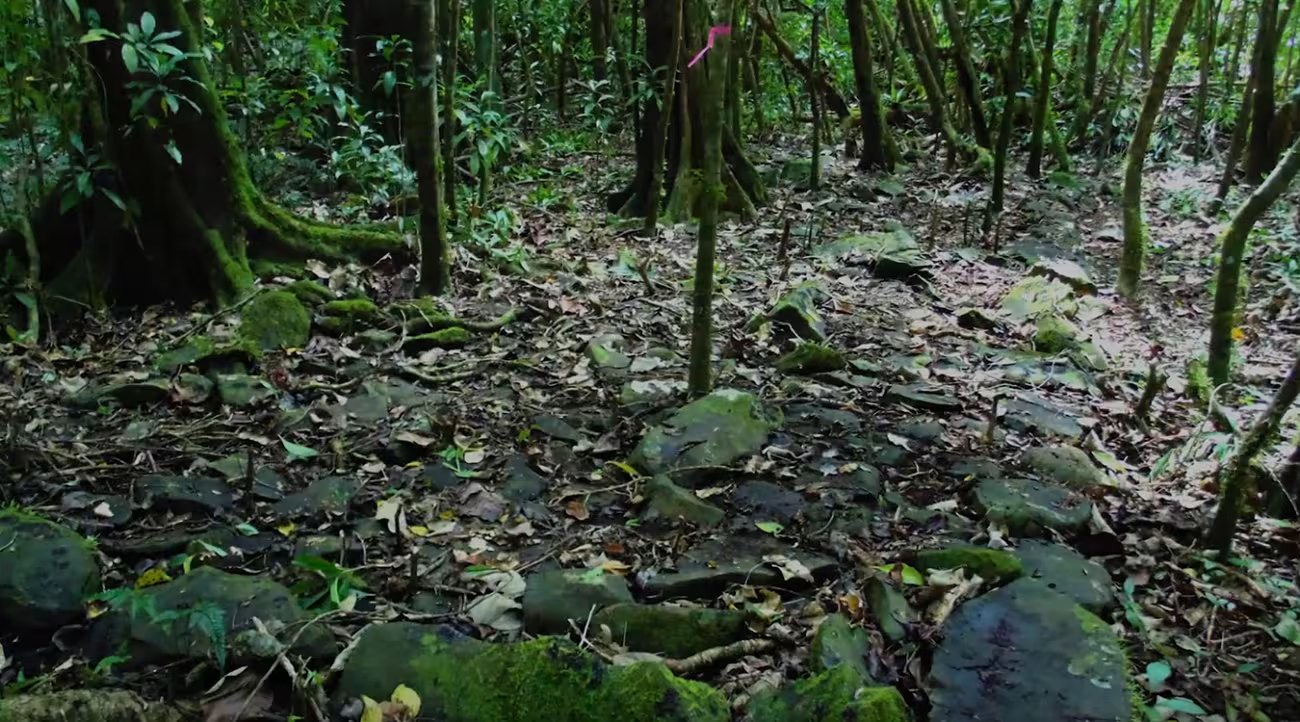
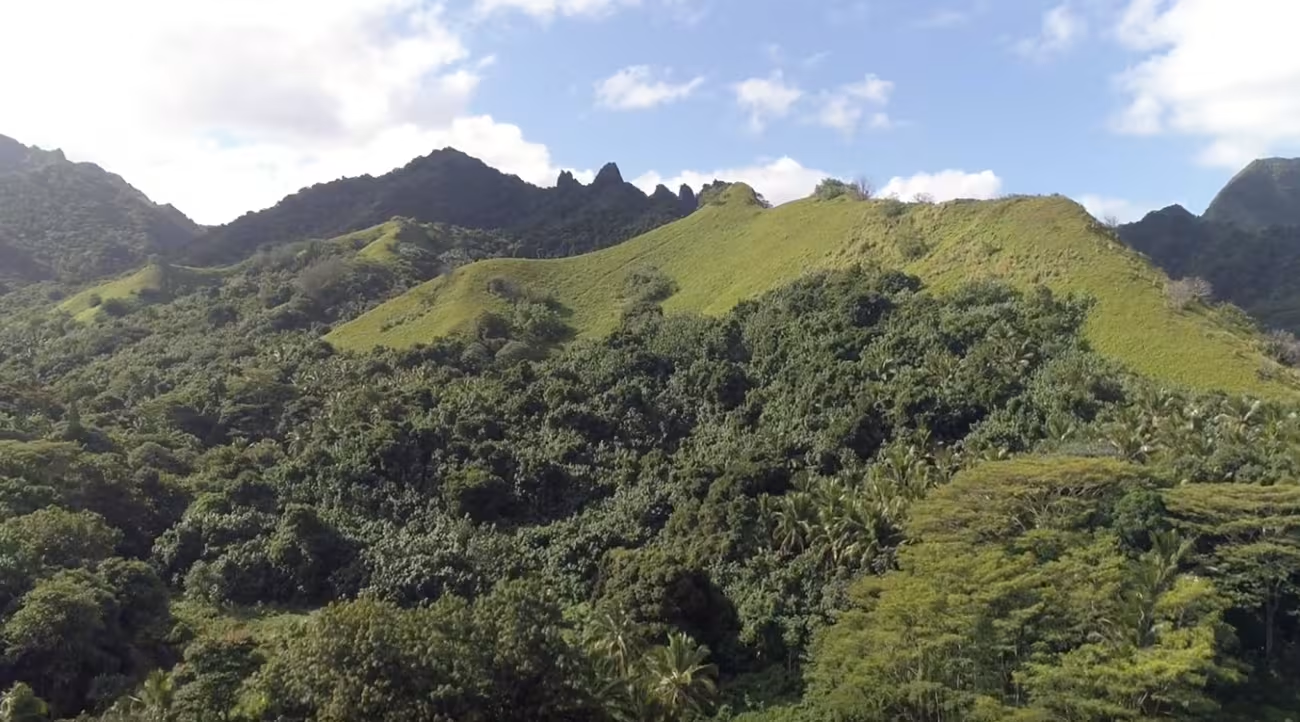
Maungaroa, translates as “long mountain”, is a natural highland sanctuary that extends above sea level at about 300 metres and extends inland from this height for a good 10 acres before mountain rock and forest meet the cleared tableau at the foot of the mountain incline.
Maungaroa comprises of four settlement clusters; lower Maungaroa, southern lower Maungaroa, Raemaru and Upper Maungaroa. The ancient settlement was abandoned in the early 1800’s due to the conversion to Christianity where it returned back to mountainous bush and scrub. It was during the early 1960’s that it was rediscovered, and a decade later underwent major excavation.
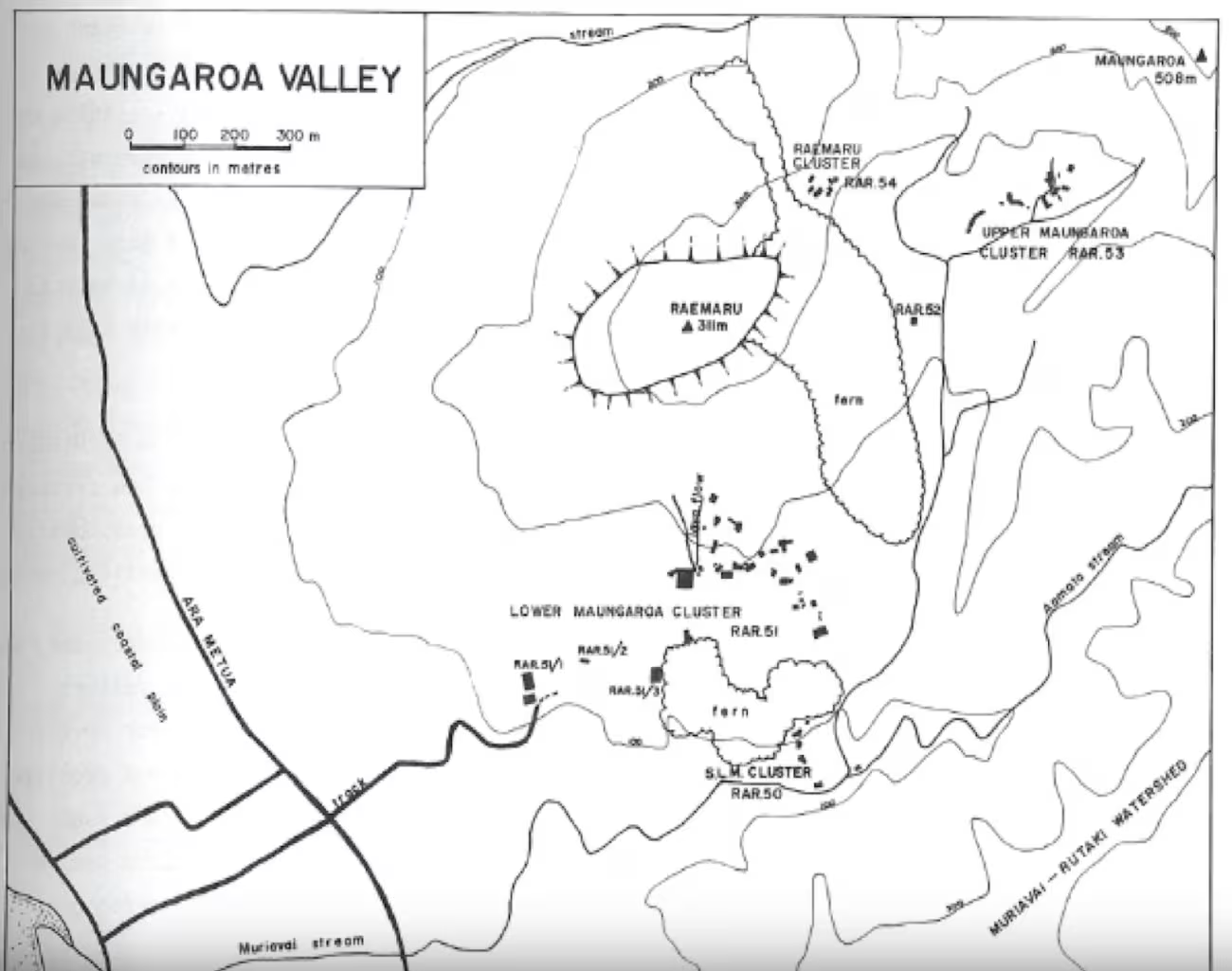
Radiocarbon dating of cooking structures in the valley confirm that Maungaroa was first inhabited in 1500AD (approximately). The chronology of development is currently unclear, all sites may have been inhabited simultaneously or at different periods. The first recorded settlement was during the 1700’s when Tinomana Napa Ariki was forced to flee from the Takitumu district and seek refuge in the village of Puaikura, otherwise known today as Arorangi.
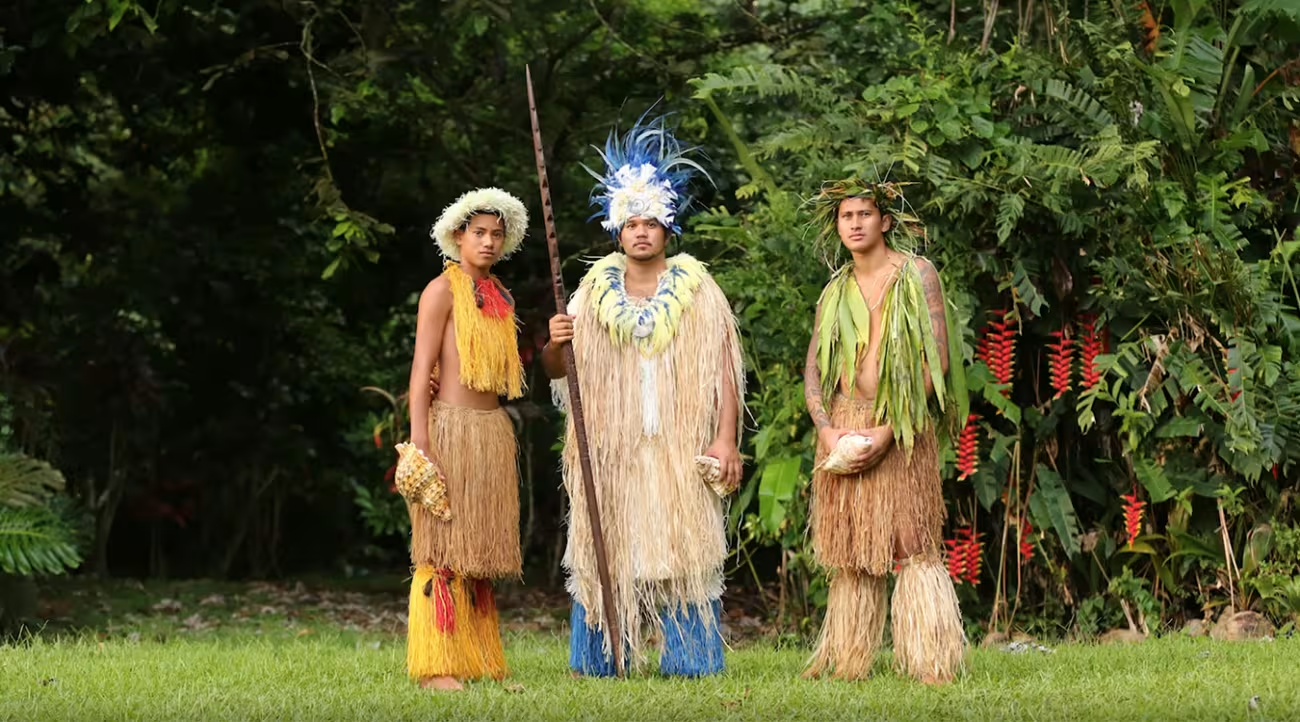
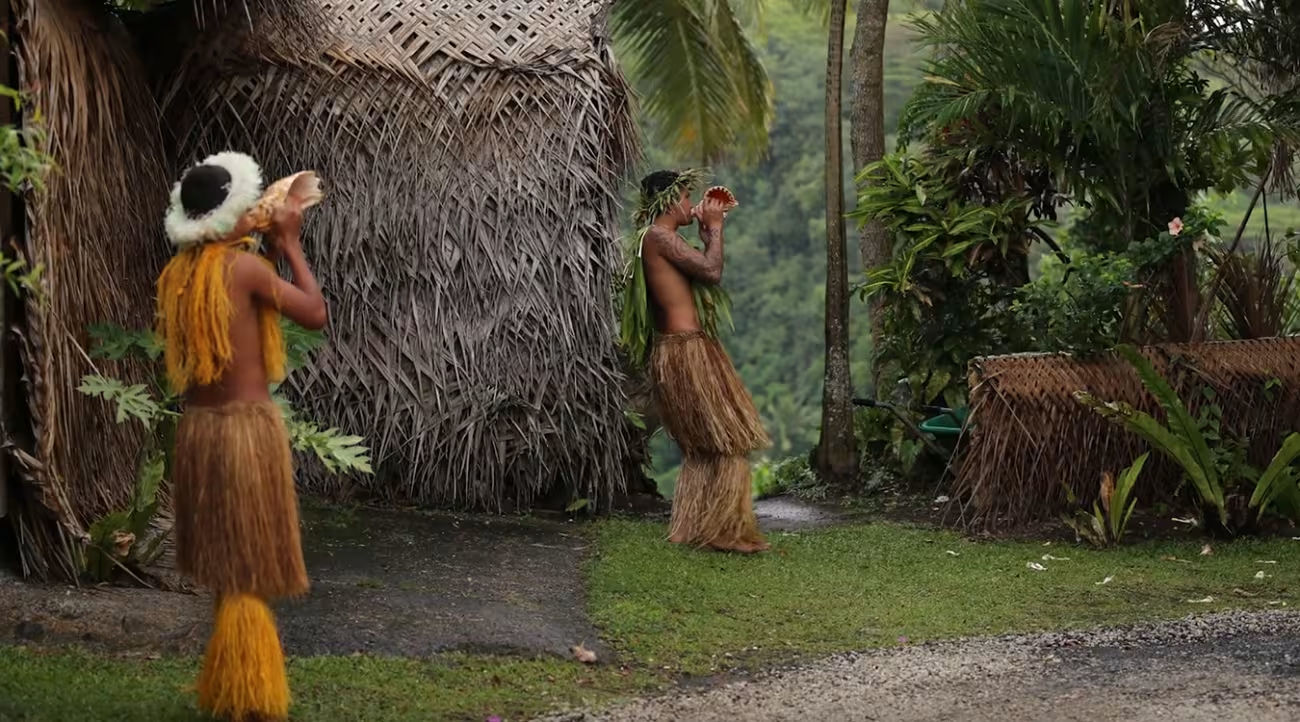
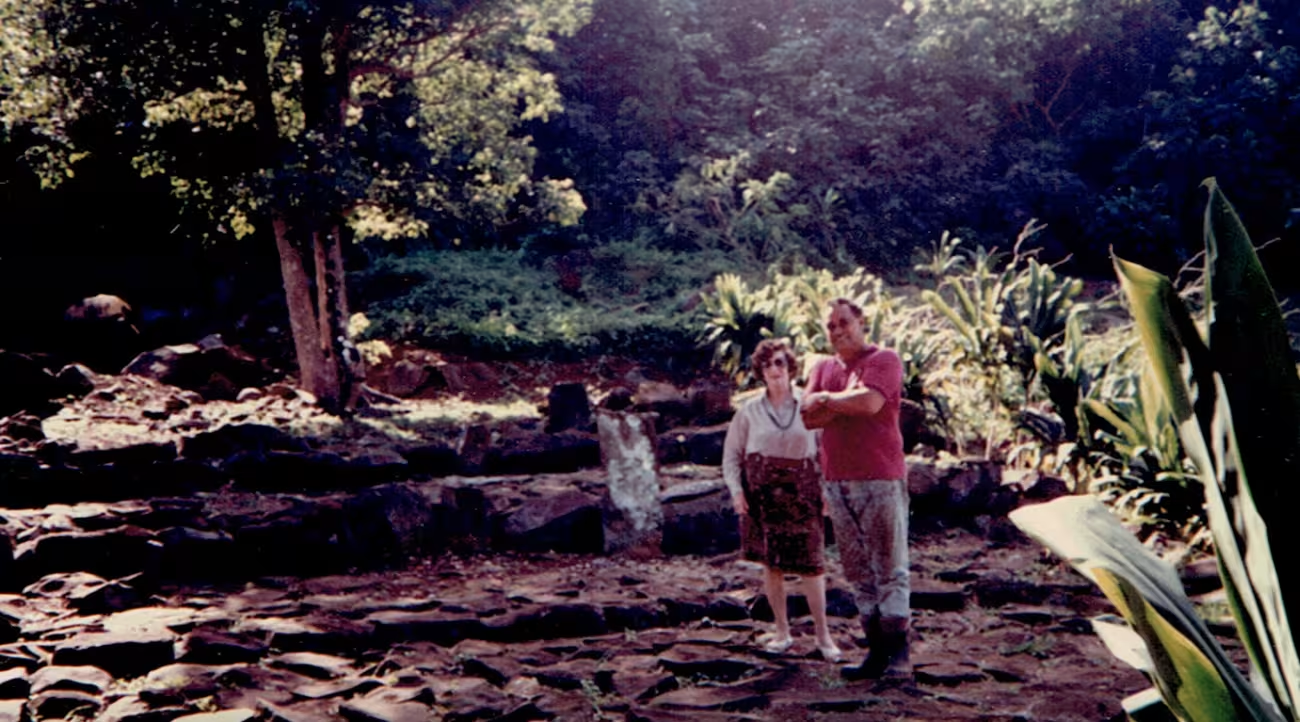
The Maungaroa village established by Tinomana Napa was a fortress, a stronghold and defence from any attacks from neighbouring tribes, which was prevalent at the time. According to oral traditions on arrival to Puaikura (Arorangi) Tinomana Napa prepared a plan where he would destroy the existing rulership of the “mataiapo” (sub and-chiefs) and invite the seven tribal warrior families to join in his plan to unite all of Puaikura under his leadership. This group of seven warriors are known as the “Toko Itu Rangatira”, and are represented by the seven stones situated south of the compass rock. In Cook Islands society the “Rangatira” are regarded as the immediate “warriors” to the Chief or Ariki. Each are charged with custodial duties, to ensure the maintenance and well being of the tribe. Some may be charged with the task of taking care of land, some providing food for functions or events, and some for making costumes for investitures and special ceremonies. This is to name a few. The number of Rangatira for each district or island varies depending on the reigning chief, the size of the tribe, and the customs that govern that particular tribe.
In 2013 this ancient settlement of Maungaroa officially came under consideration as a World Heritage site for UNESCO.
As part of the consideration process Highland Paradise, with the support of the Cook Islands Ministry of Education, and UNESCO, produced and released a short video documenting the ancestral and archaeological history of Maungaroa (Highland Paradise), and the Tinomana tribe. This clip takes you back to pre-Christian times, giving you a brief insight to the way we once lived, our cultural practices and spiritual beliefs.